

Top 10 Igbo HighLife Musicians

Igbo highlife is a lively and culturally rich musical genre that originated in southeastern Nigeria in the early 20th century.
It combines traditional Igbo rhythms and melodies with highlife, a West African style known for its use of Western instruments like guitars, horns, and percussion.
The genre began to develop in the 1920s and rose to prominence in the 1950s and 1960s.
Characterized by guitar-driven melodies, layered vocal harmonies, and lyrics mostly sung in Igbo, sometimes mixed with Pidgin English, Igbo highlife became a defining sound of the region.
Pioneering artists like Chief Stephen Osita Osadebe, Oliver De Coque, and Celestine Ukwu were instrumental in bringing the genre to the forefront, especially during its golden era in the 1960s and 1970s.
READ: Top 10 Igbo Gospel Musicians (2025 Ranking)
Top 10 Igbo HighLife Musicians
| Musician | Era |
|---|---|
| Osita Osadebe | 1950s – 2000s |
| Oliver De Coque | 1970s – 1990s |
| Dr. Sir Warrior | 1970s – 1990s |
| Celestine Ukwu | 1960s – 1970s |
| Prince Nico Mbarga | 1970s – 1980s |
| Mike Ejeagha | 1960s – 2025 |
| Bright Chimezie | 1980s – Present |
| Cardinal Rex Lawson | 1960s – 1980s |
| Moroku Moka | 1962 – 1990s |
| Ayaka Ozubulu | 2006 – Present |
Osita Osadebe
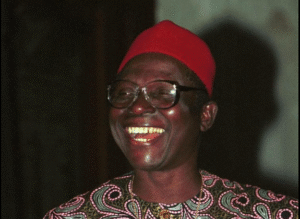
Chief Stephen Osita Osadebe was a legendary Igbo highlife musician from Atani, Anambra State.
Often called the “Doctor of Hypertension” for his energetic performances, he is one of Nigeria’s most celebrated artists.
Osadebe’s music career began in the 1950s in Lagos, performing with E.C. Arinze’s band before founding his own group, the Nigeria Sound Makers International.
He combines traditional Igbo rhythms with jazz, calypso, and rumba to create a relaxed, rich sound. His lyrics explored everyday life, relationships, and culture.
His most iconic hit, Osondi Owendi (1984), became one of Nigeria’s most beloved songs.
With over 500 songs to his name, he earned national honors, including the Member of the Order of the Niger (MON) in 1983. Osadebe passed away in 2007 in the U.S.
Oliver De Coque
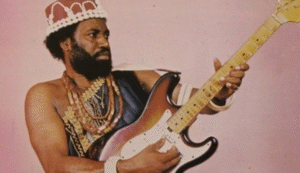
Oliver Sunday Akanite, known as Oliver De Coque, was born on April 14, 1947, in Ezinifite, Anambra State, Nigeria.
A gifted guitarist from age 11, he trained under Congolese maestro Piccolo and Nigerian juju artists like Sunny Agaga.
He launched his music career in the 1970s, releasing Messiah Messiah in 1977. With over 73 albums to his name, De Coque became one of Africa’s most recorded artists.
He popularized the Ogene style, a lively fusion of Igbo rhythms, highlife, and Congolese guitar.
His hits include Biri Ka Mbiri, Ana Enwe Obodo Enwe, Naukwa Mmwanwu, and People’s Club Ka Anyi Bili, which sold over two million copies.
Crowned “King of Highlife” in 1994, he is a cultural icon. Oliver De Coque died on June 20, 2008.
Dr. Sir Warrior
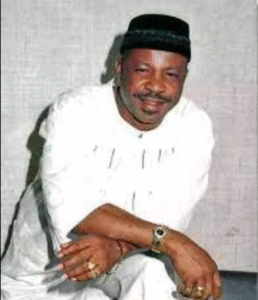
Christogonus Ezebuiro Obinna, known as Dr. Sir Warrior, was born in 1947 in Enyiogugu, Imo State.
His surname, Obinna, means “Father’s Heart” in Igbo. By age 11, he was already playing the guitar, growing up in the shadow of Nigeria’s post-independence struggles.
In the early 1970s, just after the Biafran War, he co-founded the Oriental Brothers International Band.
Alongside Godwin “Kabaka” Opara and others, the group became pioneers of modern Igbo highlife.
Dr. Sir Warrior’s music combined traditional rhythms, Congolese guitar styles, and rich Igbo proverbs.
He introduced “Oyorima,” a signature style of smooth rhythmic flow.
His 1974 album Nwa Ada Di Mma was a major breakthrough. In 1978, Nwanne Awu Enyi sold over 7.8 million copies.
Sadly, Dr. Sir Warrior died in 1999.
Celestine Ukwu
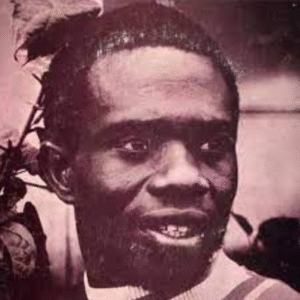
Celestine Ukwu was a leading figure in Nigerian Igbo highlife during the 1960s and 1970s. Born in 1940 in Enugu, he grew up in a musical family and learned to read music early.
Though he trained as a teacher, Ukwu left the profession in 1962 to pursue music full-time.
He played with bands like Mike Ejeagha’s Paradise Rhythm Orchestra and Herbert Udemba’s group before forming his own, Celestine Ukwu & His Music Royals of Nigeria, and later, The Philosophers National.
Songs like “No Condition is Permanent”, “Ije Enu”, and “Money Palava” were known for deep messages, poetic storytelling, and social commentary.
He died in a car crash on May 7, 1977. His music remains timeless and continues to inspire new generations of Nigerian artists.
READ: List Of Local Government Areas In Abia State, And Their Chairmen
Prince Nico Mbarga
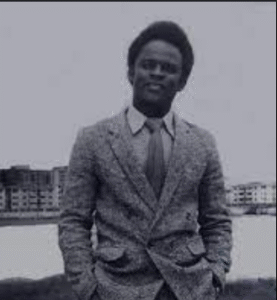
Prince Nico Mbarga was a Nigerian-Cameroonian highlife icon, best known for the hit song “Sweet Mother.”
Born in Abakaliki, Ebonyi State, to a Cameroonian father and Igbo mother, Nico grew up in a culturally rich home.
He learned to play guitar, piano, xylophone, and drums during school.
His music career began in 1970 with The Melody Orchestra. After the war, he formed Rocafil Jazz in Onitsha.
Though their first single failed, “I No Go Marry My Papa” gained local attention. But it was “Sweet Mother” in 1976 that changed everything.
It sold over 13 million copies and became one of Africa’s biggest hits. His other songs include “Free Education” and “Christiana.”
However, his fame faded in the ’80s, and he died in 1997 at age 47.
Mike Ejeagha
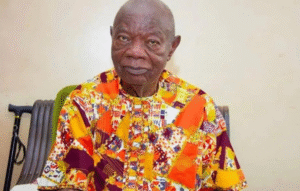
Mike Ejeagha, fondly called “Gentleman Mike,” was born on April 4, 1930, in Imezi Owa, Enugu State.
He began his musical career early, playing ogene with friends. In 1945, he joined the Coal Camp Boys, then later played guitar with Joseph Ogbu before forming his own band, Mike Ejeagha and the Merrymakers.
Ejeagha’s music had a mix of Igbo proverbs, folklore, and storytelling with highlife rhythms. He recorded over 300 songs, many now preserved in Nigeria’s National Archives.
Notable tracks include Ka Esi Le Onye Isi Oche (1983), Uwa Ngbede Ka Mma, and Enyi Ga Achi. His 1983 hit, Gwo gwo gwo ngwo went viral in 2024, sparking a dance challenge that introduced his music to a new generation.
A cultural icon and folklorist, Ejeagha helped preserve Igbo traditions through music. He died on June 6, 2025, at age 95. Enugu State honored him by naming a road after him.
Bright Chimezie
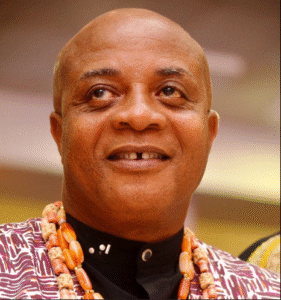
Born on October 1, 1960, in Ekeoba village, Umuahia, Bright Chimezie, also known as Okoro Junior, is a legendary Igbo highlife musician.
From age seven, he led his clan’s cultural group and sang in the Methodist Church choir.
Despite the civil war, he completed his education and gained early fame through local music shows.
In 1984, he created Zigima Sound, a fusion of Igbo rhythms, highlife, and satire-filled social commentary.
His debut album Respect Africa featured hits like “Lekwe Uwa M” and “You Can Never Hurry the Sunrise.” He’s released eight albums and earned the title Duke of African Music.
Chimezie performed worldwide, including at the OPEC Festival in Venezuela and for Nelson Mandela in 1990.
In 2025, Davido credited him as an inspiration, leading to a viral moment and renewed fame. He recently signed with Sony Music Publishing to globalize his iconic sound.
Cardinal Rex Lawson

As the fourth child after three siblings died, Rex faced early illness and neglect. His strained relationship with his father led to a legal case he later won.
Lawson began his career as a bandboy in Port Harcourt, working with legends like Bobby Benson and Victor Olaiya. He rose to fame in the 1960s with his band, the Majors (later Rivers Men), and composed over 100 songs by 1965.
Known for his emotional depth, Lawson sang in many Nigerian and Ghanaian languages, connecting with diverse audiences.
His hits, “So Ala Teme,” “Love Adure,” “Yellow Sisi” are timeless. Tragically, he died in a car crash in 1971 at just 32
READ: Easy Ways You Can Identify An Igbo Man
Morroco Maduka
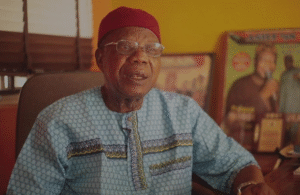
Chief Dr. Chukwuemeka Morocco Maduka, known as the Eze Egwu Ekpili (King of Ekpili Music), was a legendary Igbo highlife musician.
Born in Nasarawa but from Ukwulu in Anambra State, Morocco began music in 1962 despite his father’s wish for him to study law or medicine.
Over a six-decade career, he released more than 120 albums, starting with Agha Nigeria in 1971.
He modernized Ekpili music, with Igbo folk sounds and guitar and keyboard. Some hits include Akalaka, Ojemba Enwe Ilo, Obi Nwanne, and Ije Enu.
He toured globally and led PMAN in Anambra for eight years.
Morocco was married with eight children and owned multiple properties, including a hotel in Awka. He passed away in 2020 at 76.
Ayaka Ozubulu
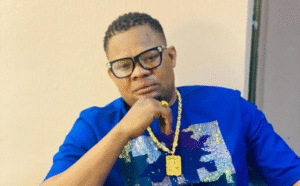
Ayaka Ozubulu, born in Ozubulu, Anambra State, began his music career in Lagos, playing drums at local events in 2006.
He spent time in South Africa before returning to Nigeria in 2016. He officially entered the professional music scene in 2009 and rose to fame with his 2016 debut album Chukwuebuka.
Since then, he has released over 15 albums, including Akuku Mama Ngozi. His top songs include “Mgbiligba Ego,” “Mama Ebezina,” and “Ozubulu Massacre.”
Ayaka mixes Igbo highlife, Ogene, and Afrobeat, performing with his live band, Bright Star International Band.
He’s known for his deep voice, storytelling, and social commentary. A respected chief, Ayaka is called “Uzo Chukwu Kwalu Na Ozubulu.”
Many see him as the best Igbo highlife musician of the 21st century.

