
Top 10 Igbo Musicians (2025 Ranking)

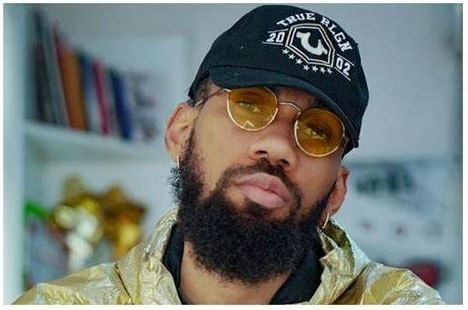
This guide ranks the top ten Igbo musicians across genres like Highlife, Afropop, Hip-Hop, and Gospel, based on popularity, influence, and cultural impact.
- Flavour N’abania
- Phyno
- Jeriq
- Chief Osita Osadebe
- Umu Obiligbo
- Chijioke Mbanefo
- Ayaka Ozubulu
- Don Jazzy
- Runtown
- Oliver De Coque
READ ALSO: Who Is The Founder Of Ebonyi State? The History Explained
1. Flavour N’abania

Flavour N’abania is one of the most iconic Igbo musicians of his generation. Starting as a drummer and pianist in Enugu, he rose to fame with his 2008 debut N’abania.
His breakthrough came in 2010 with Uplifted, featuring hits like “Nwa Baby (Ashawo Remix)” and “Adamma.” With Blessed (2012), his third studio album, Flavour elevated his sound to a new level, fusing Highlife and afropop with more mature themes and enhanced production.
Over the years, he has released several acclaimed albums, including Thankful (2014), Ijele – The Traveller (2017), and Flavour of Africa (2020).
His music celebrates Igbo culture, love, and African identity. Flavour has collaborated with top artists like Tiwa Savage, Chidinma, Wande Coal, and Yemi Alade. He’s also won major awards, including AFRIMA’s Best Live Act and MTV Africa’s Best Live Performance.
2. Phyno
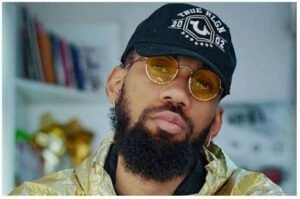
Phyno, born Chibuzo Nelson Azubuike in Enugu but originally from Anambra State, is one of the top Igbo musicians in Nigeria. He began his career in 2003 as a music producer and later gained fame as a rapper and singer known for rapping in Igbo.
His stage name came from the word “phenomenal,” a nickname given to him in school. His debut album No Guts No Glory (2014) featured major hits like “Ghost Mode,” “Man of the Year,” and “Parcel.” Phyno’s sound combines Igbo, Pidgin, and English.
He has collaborated with top artists such as Olamide, Flavour, P-Square, and Davido. His discography includes The Playmaker, Deal With It, and Full Time Job (2024). In addition to his music career, Phyno appeared in the 2018 film Lionheart and has received numerous awards for his work.
3. Jeriq

Jeriq is one of the rising stars of Igbo music, making his debut in 2015 but gaining recognition in 2020 with the release of his EP Hood Boy Dreams.
That same year, he joined KOD Music, bringing his Igbo-inspired rap style to a wider audience. His 2022 album, Billion Dollar Dream, with features from Flavour and Dremo, went on to earn two Headies Award nominations.
The deluxe version dropped in 2023 with more tracks. In 2023, he made the Billboard Afrobeat Charts with Zlatan’s Oganigwe and had a hit with Blaqbonez on Nyem Ego.
He also headlined packed concerts in Onitsha and Enugu, drawing tens of thousands. His latest album, King, came out in 2024. That same year, he was named a brand ambassador for the Kedu App.
READ ALSO: Mary Slessor: The Missionary Who Stopped The Killing Of Twins In Nigeria
4. Chief Osita Osadebe

Chief Osita Osadebe is one of the greatest Igbo musicians in history. Guided by trumpeter Zeal Onyia, he kicked off his career performing in Lagos nightclubs.
He developed his musical skills with The Empire Rhythm Orchestra before going solo in 1958. And he went on to compose more than 500 songs, about half were released to the public.
His songs fuse traditional Igbo beats with English and Pidgin, sharing stories of daily life and personal struggle. Osadebe’s unique style broke away from older highlife traditions. He made his music more interactive, using call-and-response and long instrumental breaks to keep people dancing.
Despite the rise of Afrobeat and juju music in the 1970s, he was popular, especially in eastern Nigeria. Nicknamed “the Doctor of Hypertension,” his sound was seen as calming and healing. After decades of influence, Osadebe passed away in 2007 in the U.S.
5. Umu Obiligbo

Umu Obiligbo is a Nigerian highlife duo made up of brothers Chukwuebuka Akunwafor Obiligbo and Ifeanyichukwu Okpuozor Obiligbo. Hailing from Nteje in Anambra State, they grew up in Nkpor, near Onitsha. By combining classic Igbo melodies with modern highlife, they’ve built a loyal audience across the country and abroad.
They made their debut in 2014 with the album Ife Di Mma and an EP titled Udo Ga Di. In 2018, they dropped Awele, which featured Flavour, and followed up with the popular 2019 track Culture, featuring Flavour and Phyno.
With Signature (Ife Chukwu Kwulu) in 2020, they continued to expand their sound, winning the “Best African Group” award at AFRIMMA. They’ve also collaborated with Basketmouth and Larry Gaaga on various soundtrack projects.
6. Chijioke Mbanefo
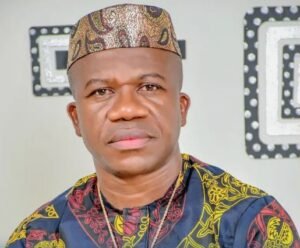
Prince Dr. Chijioke Mbanefo, called the King of Highlife Music, is a renowned Nigerian highlife artist from Atani, Anambra State. Born on October 10, 1983, into a royal family, Mbanefo grew up surrounded by tradition and music.
In 1999, driven by the influence of Chief Osita Osadebe, he sold his business to finance his first album, Eziafakaego. Since his breakthrough in 2005, he’s gone on to release more than 82 albums, with hits like Onye Mmacha and Cashless Policy.
He has performed across Africa, Asia, and the Middle East. In 2016, he received an honorary doctorate from the Institution of Chartered Economists. Married to gospel singer Ngozi Francisca, he has seven children; his eldest son, Ebuka, is now an emerging artist in the highlife scene.
READ ALSO: How Many LGAs Are In Nigeria? The Complete 774 Local Government List
7. Ayaka Ozubulu
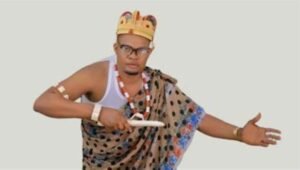
Ayaka Ozubulu, whose real name is Chief Prince Chigozie Obunike, born on June 26, 1982, is a top Igbo highlife musician from Ozubulu in Anambra State.
He leads the Bright Star Band and began his music career in 2009. His music combines highlife, Ogene, and Afrobeat, all rooted in Igbo tradition.
Through his lyrics, Ayaka highlights social and political issues, using music as a voice for the people. He has released over 15 albums, with standout tracks like “Ozubulu Massacre,” “Chukwu Ebuka,” and “Aga.”
In the Southeast, Ayaka is held in high regard, frequently mentioned alongside greats like Umu Obiligbo. Although many call him the “King of Highlife,” he prefers to let his songs speak on his behalf.
8. Don Jazzy

Don Jazzy is one of the most influential Igbo musicians and producers in Nigeria’s music history. In 2004, he co-founded Mo Hits Records with D’Banj and produced hits like No Long Thing and Rundown/Funk You Up.
Famous for his iconic tag, “It’s Don Jazzy Again!”, he was instrumental in Mushin 2 Mo’Hits by Wande Coal, a project widely regarded as a classic. In 2012, he launched Mavin Records, home to artists like Tiwa Savage, Rema, Ayra Starr, and Magixx.
Jazzy has worked with Kanye West and produced Lift Off for Beyoncé and Jay-Z, winning awards like Producer of the Year at The Headies and Nigerian Music Awards. In addition, Don Jazzy has appeared in films and co-founded Jazzy Burger in 2022.
9. Runtown

Runtown is one of the notable names in Igbo music, known for blending Afrobeat, reggae, and R&B with ease. He started his career in 2007, moving to Lagos with Phyno and staying with artist J. Martins.
This early exposure led to mentorship from Timaya, helping Runtown grow behind the scenes before his official debut.
In 2011, he dropped his first single, Party Like It’s 1980. But he rose to fame in 2014 with Gallardo, featuring Davido. It won Best Collaboration at the Nigeria Entertainment Awards, and he was linked to Davido’s hit Aye.
Runtown’s 2015 debut album Ghetto University earned over ₦35 million in streams. Then came Mad Over You in 2016, a self-produced hit inspired by Ghanaian sounds, which made it onto Billboard’s Twitter Top Tracks. In 2018, he launched Soundgod Music Group and released the Tradition EP in 2019 and Signs in 2022.
READ ALSO: How Many Politicians Have Been Impeached In Nigeria?
10. Oliver De Coque
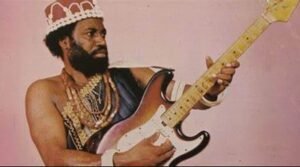
A native of Anambra State, Oliver Sunday Akanite, famously known as Oliver De Coque, was born in 1947 and became a legend for merging Igbo highlife with Congolese guitar rhythms.
He began playing music as a teenager and was trained by a Congolese guitarist named Piccolo. By the 1970s, he gained fame with his band and the nickname “Oliver De Coque,” inspired by his love for the Igbo board game okwe.
His first album, Messiah Messiah, dropped in 1977. Over four decades, he recorded 93 albums and became one of Africa’s most prolific highlife artists. Songs like Identity, People’s Club of Nigeria, and Ana Enwe Obodo Enwe became classics.
He played internationally and was crowned “King of Highlife” by Alaafin of Oyo in 1994. De Coque died in 2008 from cardiac arrest. In 2021, Google honoured him with a birthday Doodle, cementing his place in music history.

